
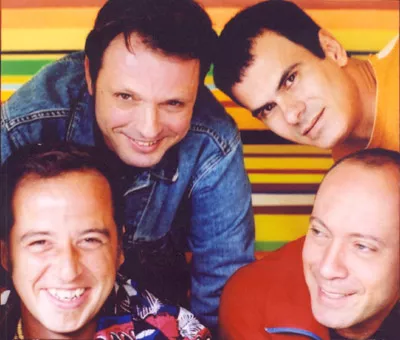
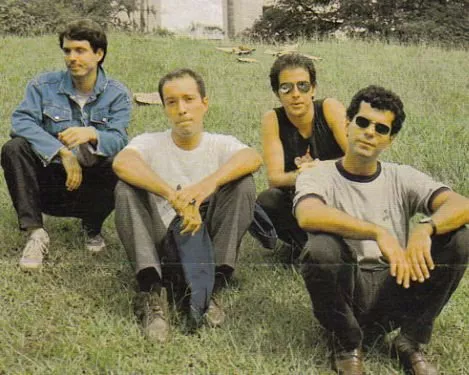
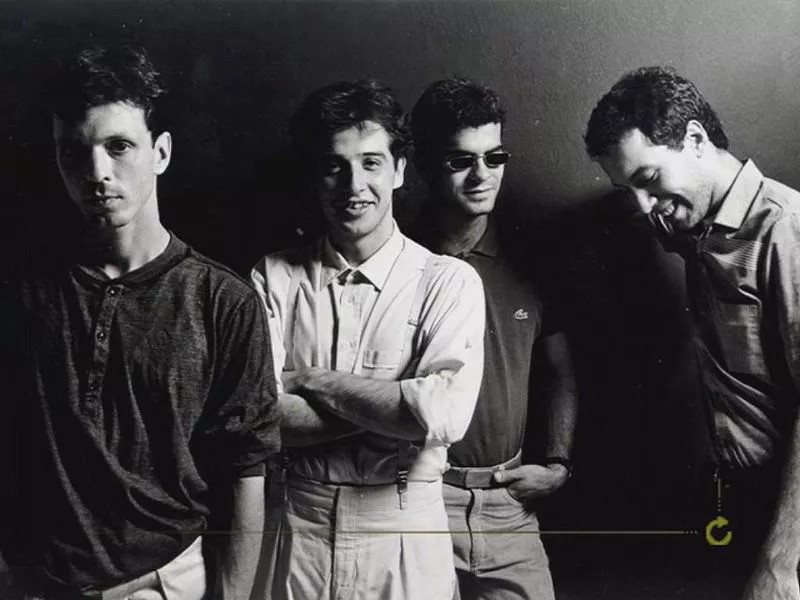

Within the history of Brazilian rock, Ira! deserves special mention. Not only for its long career, but for the music that won over a legion of fans. Songs like "Dias de luta", "Núcleo Base", "Mudança de Comportamento", "Pegue Essa Arma", among others, made Ira! one of the most acclaimed Brazilian rock bands of the 1980s.
The band was formed in 1981—initially without the exclamation point—and with a name inspired by the Irish Republican Army. Before that, guitarist Edgard Scandurra and vocalist Nasi had already played with Subúrbio, a band created by Scandurra in the late 1970s, influenced by the punk movement, and which, in shows performed in schools, featured the song "Pobre Paulista", a song that would later become a hit for the band. But years later, in the 1990s, its lyrics "Não quero ver mais essa gente feia / Não quero ver mais os ignorantes / Eu quero ver gente da minha terra / Eu quero ver gente do meu sangue" generated controversy, being accused of being a xenophobic song. The band ended up removing the song from their setlists from the early 2000s onwards.
In the first lineup, besides Scandurra and Nasi, the band had Fábio Scatone (drums) and Adilson (bass). This lineup would change some time later. In 1983, with Charles Gavin (Titãs) on drums and Dino (Suburbio) on bass, the band's first recording was released, a single with the songs "Pobre Paulista" and "Gritos na Multidão".
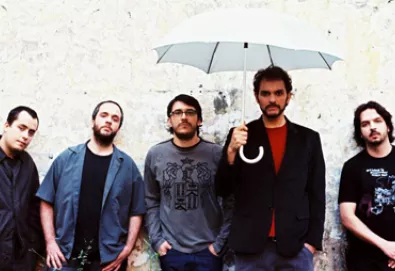
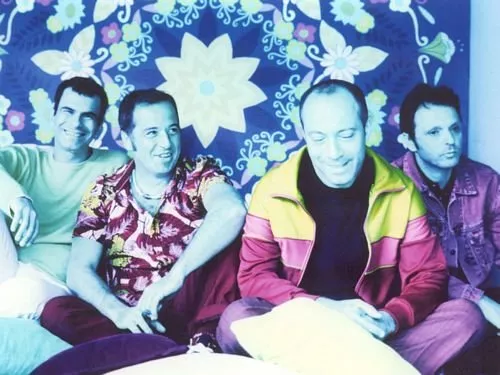
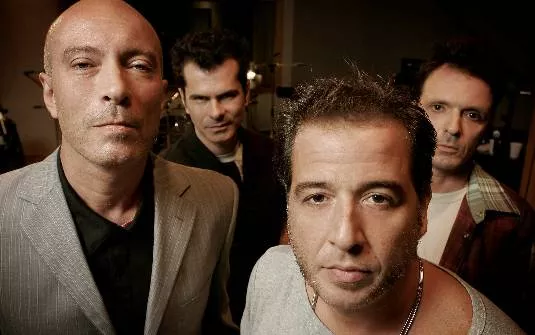
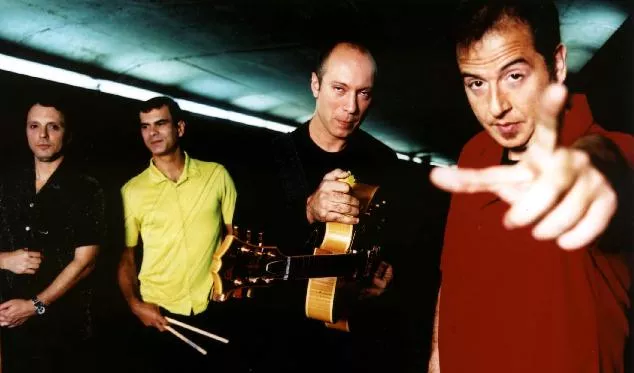
Ira!'s first album, Mudança de Comportamento, was released in 1985, already featuring the definitive lineup: Nasi (vocals), Edgard Scandurra (guitar), André Jung (drums), and Ricardo Gaspa (bass), and with the exclamation point.
In 1986, the group released Vivendo e Não Aprendendo. The songs "Dias de luta, "Envelheço na Cidade", "Vitrine Viva", and "Flores em Você", which was the opening theme song for the telenovela O Outro on TV Rede Globo, helped the album sell around 300,000 copies.
The group's maturity came with Psicoacústica, which, although not as successful as the previous album, became a cult classic. "Rubro Zorro," "Manhãs de Domingo," "Receita Para Se Fazer Um Herói," "Pegue Essa Arma," "Farto de Rock and Roll," and "Advogado do Diabo" are songs that showcased the band exploring new possibilities for their music in Psicoacústica.
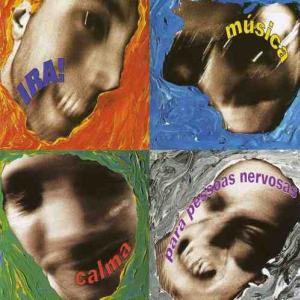
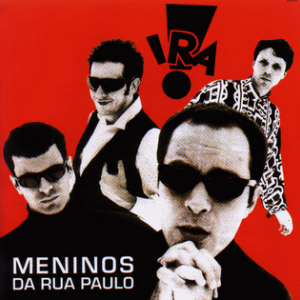
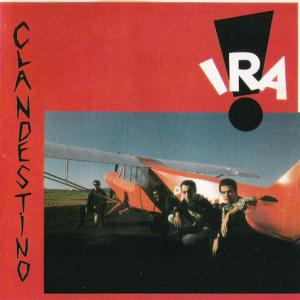
In addition to the albums mentioned above, Ira! recorded the following albums: Clandestino (1989), Meninos da Rua Paulo (1991), Música Calma Para Pessoas Nervosas (1993), 7 (1996), Você Não Sabe Quem Eu Sou (1998), Isso é Amor (1999) and MTV ao Vivo (2000).
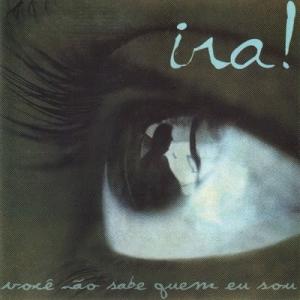
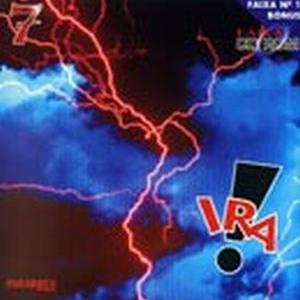
Música Calma Para Pessoas Nervosas was the group's last album released by Warner, the label Ira! had worked with since their first single. The albums 7 and Você Não Sabe Quem Eu Sou, which received the Best Rock Production award from the São Paulo Association of Art Critics (APCA), were released by the Paradoxx label.
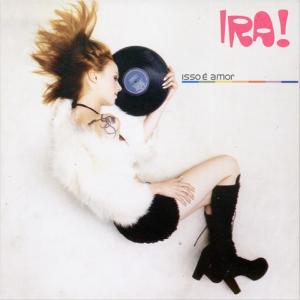
Realizing an old project, in 1999 the band released an album of cover songs. Isso é Amor features covers of Lobão ("Chorando no Campo"), Legião Urbana ("Teorema"), Ronnie Von ("Minha Gente Amiga"), Gang 90 ("Telefone"), Wander Wildner ("Bebendo Vinho"), among others.
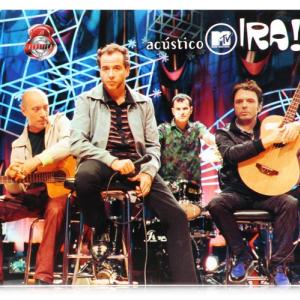
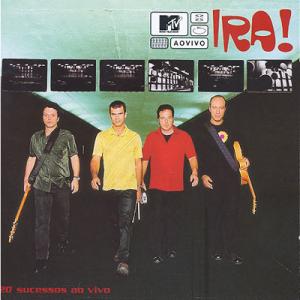
Riding on the success of Isso é Amor, the group released a live album at the end of 2000. MTV ao Vivo - Ira! was released by Abril Music and was recorded in September 2000 for a Brazilian MTV special. In addition to the CD format, the show was also released on DVD. This recording includes the songs "Dias de Luta," "Coração," "Gritos na multidão," "Núcleo base," and "Pobre Paulista," as well as some unreleased tracks like "Superficial Como Um Espinho" and "Vida Passageira." From Isso é Amor comes "Bebendo Vinho." Also part of the repertoire are the songs "Logo de Cara" (Kiko Zambianchi, with lyrics by Marcelo Rubens Paiva) and "Inundação de Amor" (Ciro Pessoa and Julio Barroso).
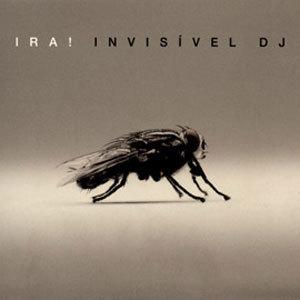
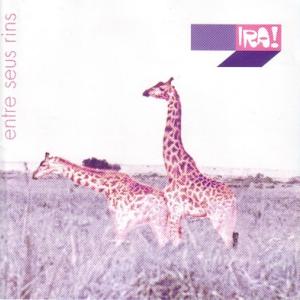
Subsequently, Ira! released the albums Entre Seus Rins (2001), Acústico MTV (2004) and Invisível DJ (2007).
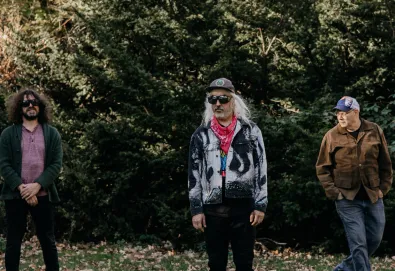
In 2007, after the release of the album Invisível DJ, Nasi had a falling out with the band's manager, his brother Airton Valadão, and left the band. The vocalist's departure led to an indefinite end for the band, which ultimately did not happen. The group returned in 2014, but without Jung and Gaspa.
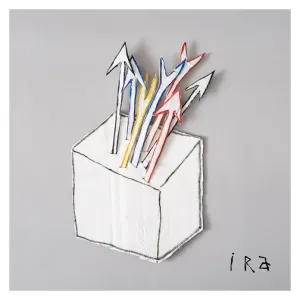
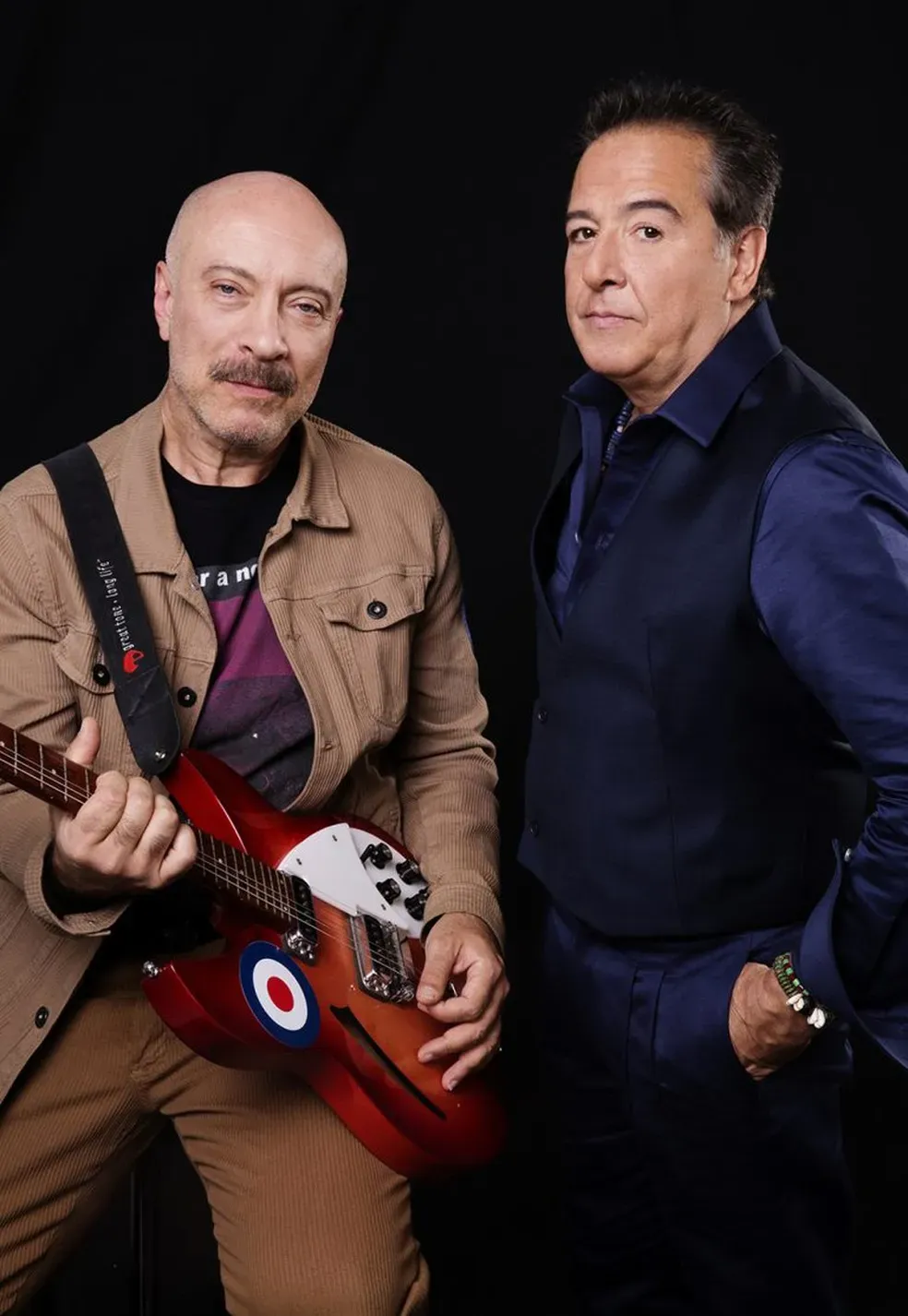
With the remaining members Nasi and Scandurra, and guest musicians, the band released IRA in 2020.

- Origin: